Table of Contents
Fourth of July Parades: Complete Guide, Tips & Traditions – Fourth of July Parades are one of America’s most beloved Independence Day traditions. From small-town streets lined with cheering families to grand processions in major cities, these parades capture the spirit of freedom, community, and patriotism like nothing else.
Whether you’re planning your first visit or looking for new ways to enjoy the celebration, this complete guide covers everything you need to know about Fourth of July parades — history, top destinations, what to expect, practical tips, and creative ideas to make the day unforgettable.
The History Behind Fourth of July Parades
Early Celebrations After 1776
The tradition of celebrating July 4th with parades, music, and public gatherings began almost immediately after the Declaration of Independence was adopted. In 1777, Philadelphia and Boston held the first organized Independence Day events, featuring parades, cannon salutes, fireworks, and public readings of the Declaration.
John Adams famously predicted that future generations would commemorate the day “with Pomp and Parade… with Shews, Games, Sports, Guns, Bells, Bonfires and Illuminations.”
The Oldest Continuous Fourth of July Parade
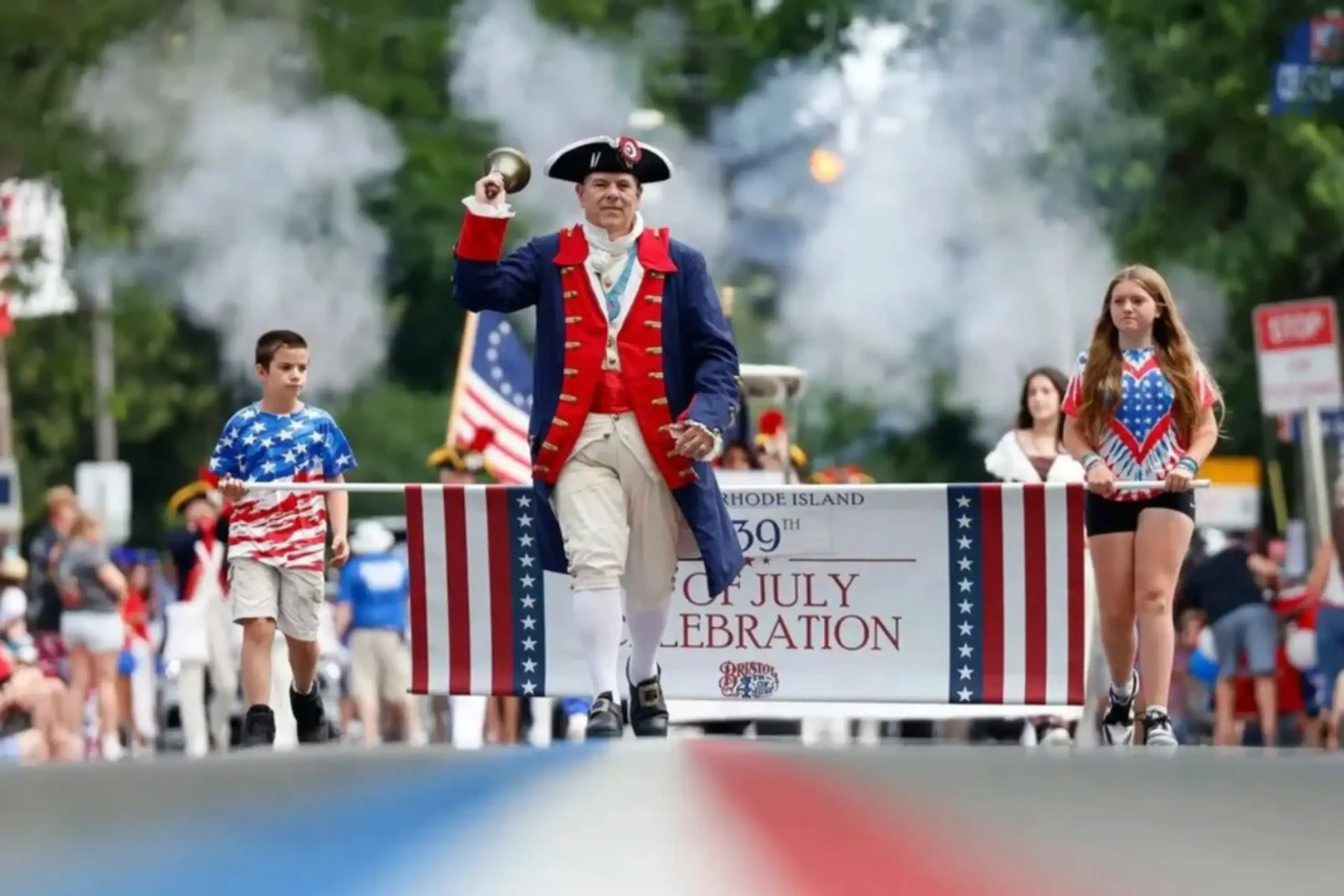
Bristol, Rhode Island, holds the distinction of hosting America’s oldest continuous Independence Day parade, with roots dating back to 1785. The town has celebrated every year since (with only a few exceptions during major wars), making it a living piece of American history.
Other long-standing celebrations include Seward, Nebraska, which Congress once designated “America’s Official Fourth of July City – Small Town USA.”
Why Fourth of July Parades Remain So Popular?
Fourth of July parades bring communities together in a way few other events can. They offer:
- A visual celebration of American history and values
- Family-friendly entertainment for all ages
- Opportunities to honor veterans and active military
- Local pride through marching bands, floats, and civic groups
- A perfect kickoff to picnics, barbecues, and evening fireworks
In an increasingly digital world, these in-person gatherings provide a meaningful, joyful way to connect with neighbors and celebrate shared heritage.
Iconic Fourth of July Parades Across America
While every local parade has its charm, several stand out for their scale, history, or unique atmosphere.
Bristol, Rhode Island – The Oldest Continuous Celebration
A must-visit for history lovers. The parade features antique cars, fife and drum corps, military units, and thousands of spectators in a picturesque New England setting.
Washington, D.C. – National Independence Day Parade
Held annually on Constitution Avenue, this is one of the largest and most patriotic parades in the country. Expect military bands, fife and drum corps, giant balloons, celebrities, and dignitaries marching past iconic monuments.
Philadelphia – Salute to America Independence Day Parade
As the birthplace of American independence, Philadelphia goes big with its Wawa Welcome America parade, complete with marching bands, colorful floats, and a festive atmosphere along the Benjamin Franklin Parkway.
Charming Small-Town Parades
Don’t overlook smaller communities! Places like Hanover, New Hampshire; Travis on Staten Island; and many Midwest towns offer intimate, heartfelt parades that feel like stepping back in time.


What to Expect at a Typical Fourth of July Parade?
Most July 4th parades follow a similar joyful format:
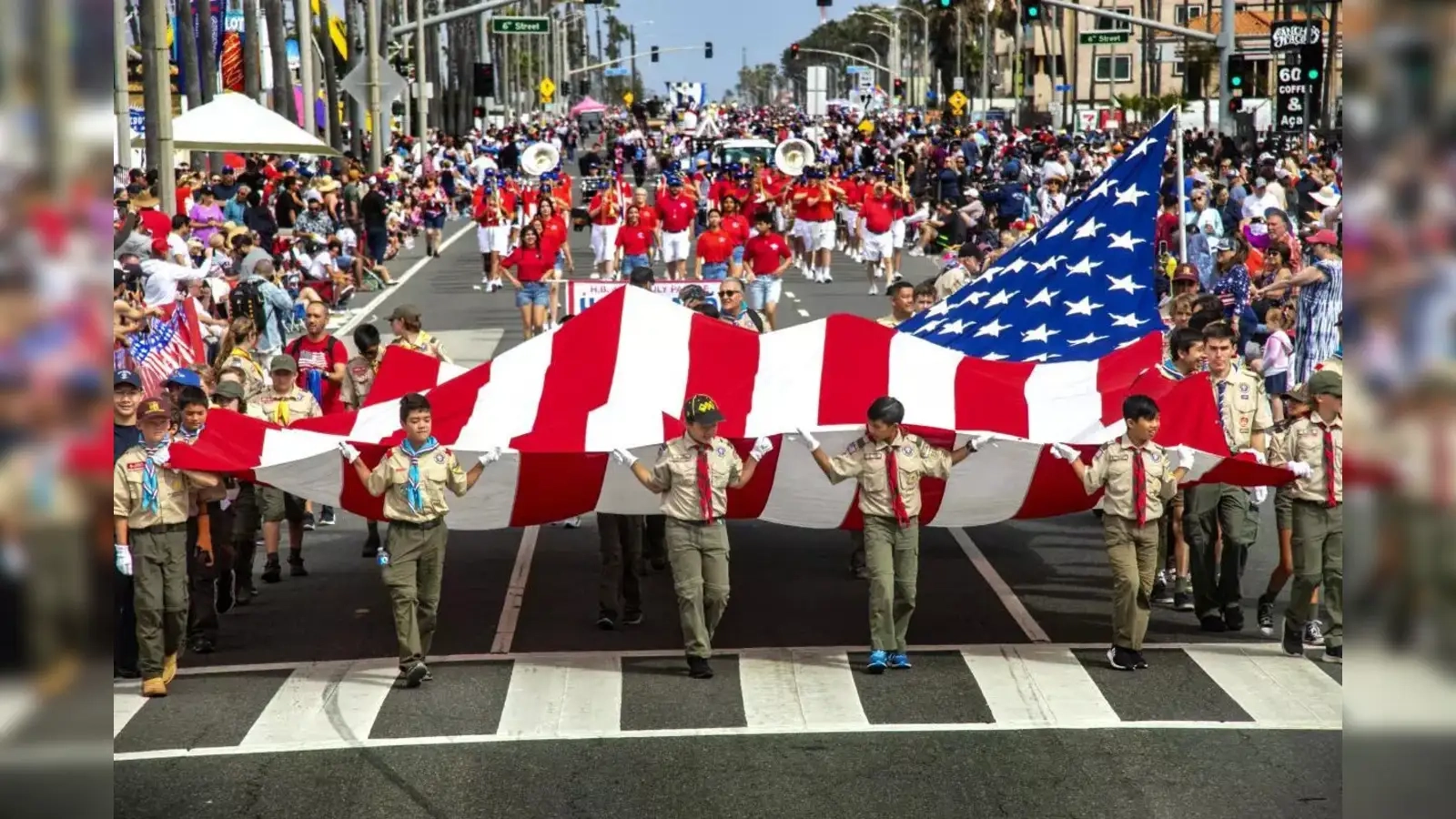
- Marching bands and color guards in crisp uniforms
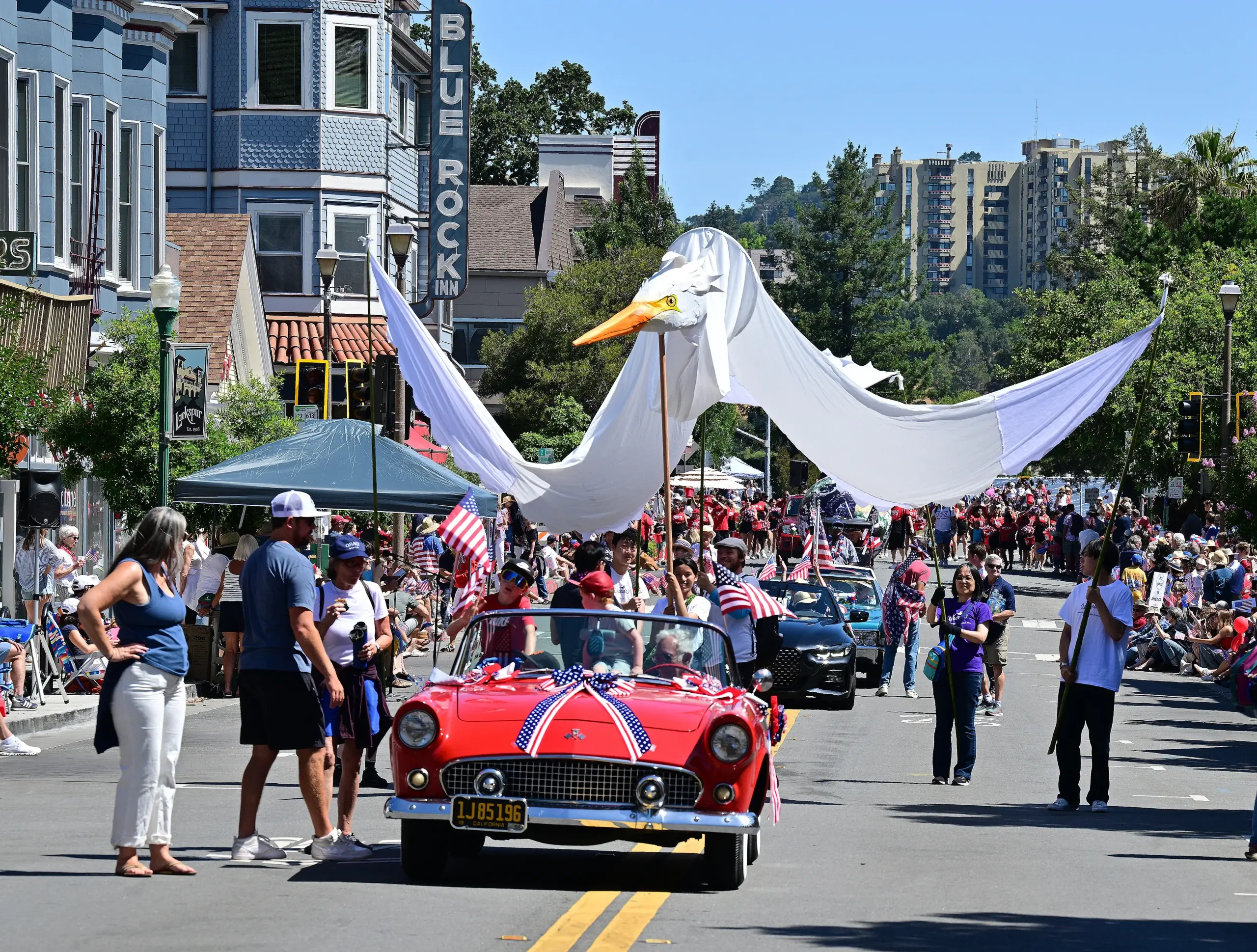
- Patriotic floats decorated with red, white, and blue themes (often featuring local businesses or organizations)
- Veterans and military units receiving well-deserved applause
- Classic cars, tractors, and fire trucks
- Candy and treats thrown to spectators (especially popular with kids)
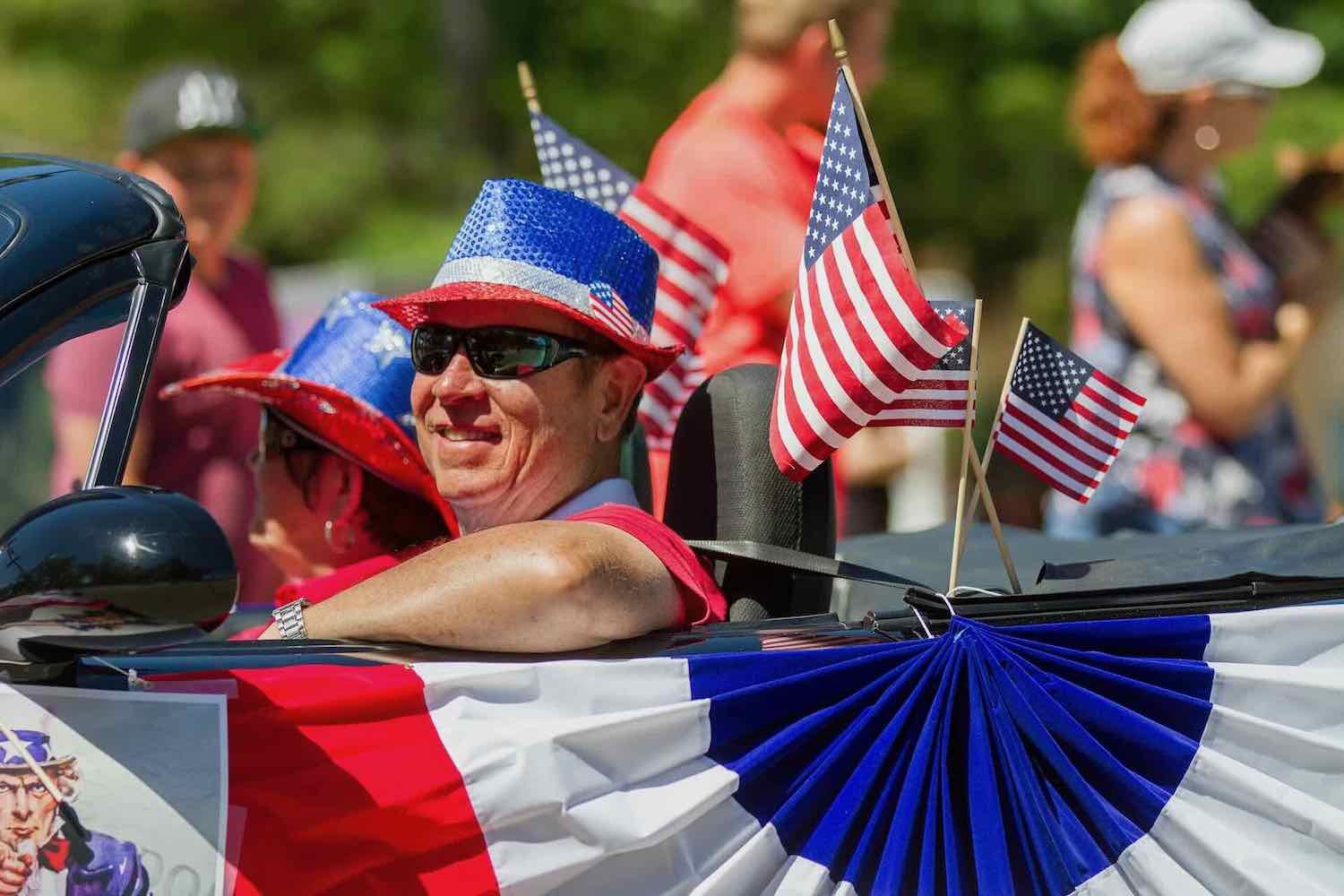
- Elected officials and community leaders waving from convertibles
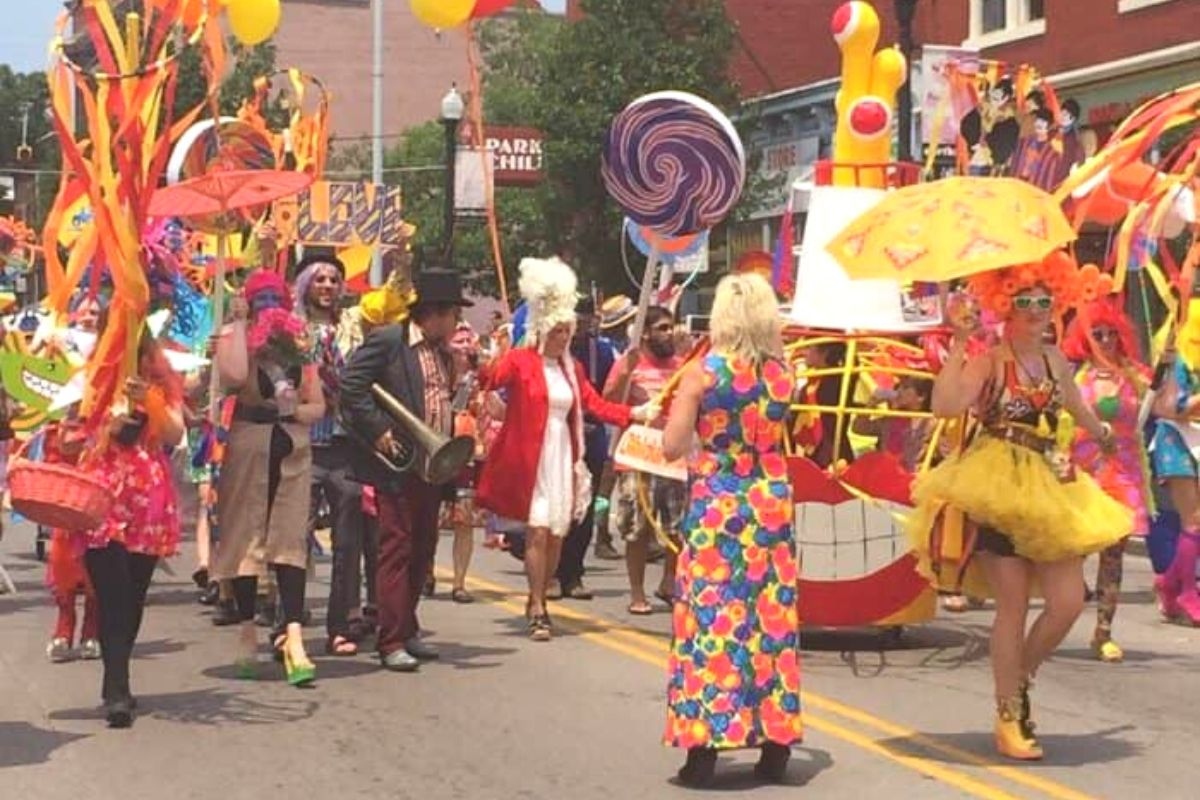
- Live music, flags everywhere, and lots of cheering
Many parades conclude or transition into evening fireworks displays, creating an unforgettable full-day experience.
Pro Tips for Attending Fourth of July Parades
Arrive Early
Popular parades fill up fast. Arrive 1–2 hours early to claim a good viewing spot, especially if you have children or want front-row access.
What to Bring?
- Folding chairs or blankets
- Sunscreen, hats, and water
- Small American flags and glow sticks
- Snacks and a cooler (check rules)
- Camera or smartphone with extra battery
Attending with Kids
Fourth of July parades are fantastic for children. Let them collect candy, wave flags, and enjoy the sensory experience. Many parades have designated “kids zones” or special floats just for them.
Photography Tips
Shoot in burst mode for action shots of bands and floats. Position yourself slightly elevated (on a curb or step) for better angles. Golden hour light before or after the parade often creates the most beautiful photos.
Staying Safe and Respectful
- Follow all posted rules and local ordinances
- Keep pathways clear for emergency vehicles and parade participants
- Supervise children closely near the street
- Stay hydrated and take breaks in the shade
- Be mindful of pets — many parades are loud and crowded
Creative Ways to Enhance Your Celebration with Printables
Pair your parade experience with festive printables to make the day even more special. Families love using printable Fourth of July decorations such as:
- Patriotic banners and yard signs
- Custom parade route maps for kids
- “I ❤️ the 4th of July” photo props
- Activity sheets and coloring pages for downtime
- Editable invitation templates for pre-parade gatherings
High-quality, ready-to-print designs help you create a cohesive and memorable celebration without spending hours on DIY projects.
Make This Fourth of July Unforgettable
Fourth of July parades are more than just entertainment — they’re living expressions of American community and pride. Whether you attend a historic parade in Bristol, the grand National Independence Day Parade in Washington, D.C., or a beloved hometown event, the memories you create will last for years.