Table of Contents
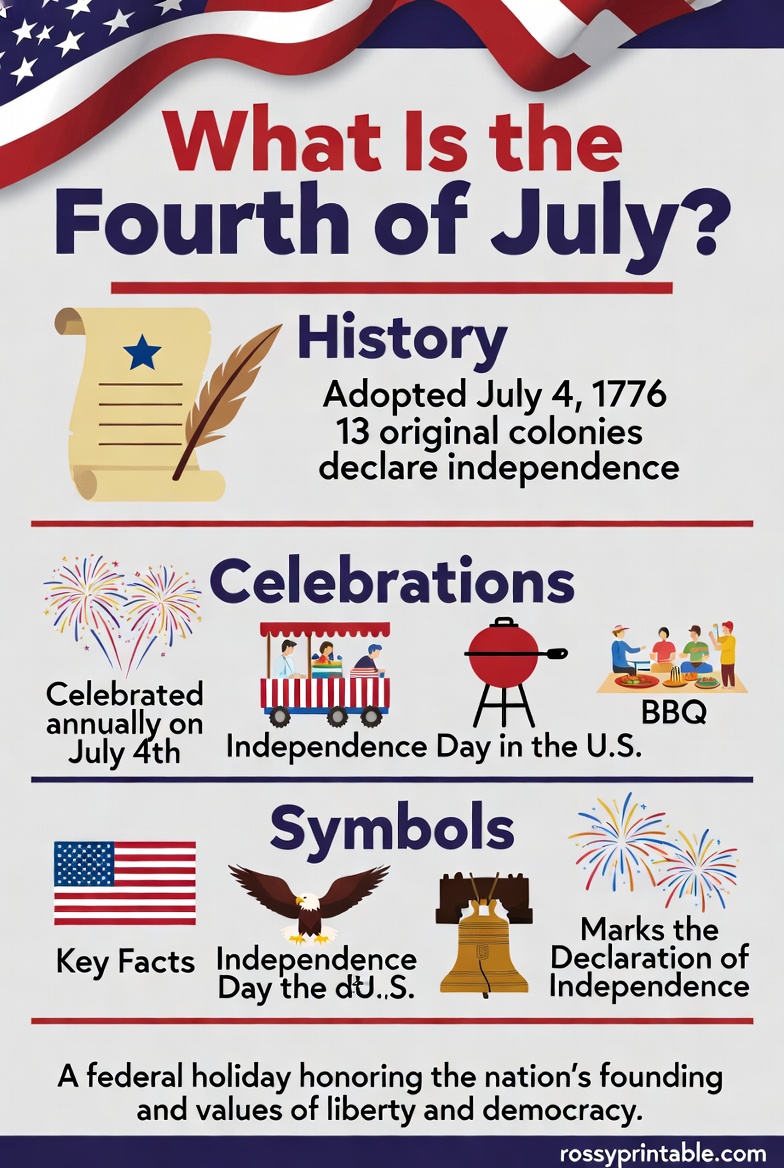
What Is the Fourth of July? Independence Day Explained – The Fourth of July, also known as Independence Day, is one of the most important national holidays in the United States. It commemorates the adoption of the Declaration of Independence in 1776, marking the birth of the nation as a free and independent country. Every year on July 4th, Americans celebrate with fireworks, parades, barbecues, and patriotic displays. But what is the Fourth of July really about? This article explores its deep historical roots, traditions, and modern significance.
The History Behind the Fourth of July
Understanding what is the Fourth of July requires going back to the founding of the United States. The holiday honors a pivotal moment in American history when the 13 colonies declared their separation from British rule.
The Signing of the Declaration of Independence
On July 4, 1776, the Continental Congress formally adopted the Declaration of Independence, primarily authored by Thomas Jefferson. This document boldly stated that the colonies were no longer under the authority of the British Crown. It articulated the principles of liberty, equality, and the right to self-governance that would shape the new nation.
Although the document was adopted on the 4th, the actual signing by all delegates occurred over several weeks. John Hancock famously signed it first with a large, bold signature.
Key Events Leading to Independence
Tensions had been building for years due to British taxation without representation, restrictive laws, and the Revolutionary War that began in 1775. The Declaration served as a formal announcement of the colonies’ resolve to fight for freedom. The war would continue until 1783, when the Treaty of Paris officially recognized American independence.
Why Is the Fourth of July Celebrated?
What is the Fourth of July if not a celebration of freedom? The holiday symbolizes the triumph of democratic ideals over tyranny. It reminds Americans of the sacrifices made by the Founding Fathers and countless patriots who fought for liberty.
Today, it represents national unity, pride in American values, and gratitude for the rights and freedoms enjoyed by citizens. It is a day to reflect on the ongoing journey toward “life, liberty, and the pursuit of happiness” as stated in the Declaration.
Popular Fourth of July Traditions and Celebrations
Across the United States, communities mark the occasion with vibrant events that blend patriotism and summer fun.
Fireworks Spectaculars
Nothing says Fourth of July like brilliant fireworks lighting up the night sky. Major cities host massive displays, while families enjoy smaller backyard shows. These colorful explosions symbolize the “rockets’ red glare” from the national anthem, The Star-Spangled Banner.
Parades, Barbecues, and Family Gatherings
- Parades: Marching bands, floats, veterans, and flag-waving participants fill streets nationwide.
- BBQs and Picnics: Hot dogs, hamburgers, watermelon, corn on the cob, and apple pie are classic favorites.
- Concerts and Festivals: Many towns feature live music, carnival games, and patriotic performances.
Red, white, and blue decorations, American flags, and patriotic clothing dominate the day.
Fun Facts About the Fourth of July
- Not Everyone Signed on July 4: While adopted on the 4th, the last signature wasn’t added until November 1776.
- John Adams’ Prediction: Founding Father John Adams believed the day would be celebrated with fireworks and parades, though he thought it would be July 2nd (the day the resolution for independence was approved).
- Hot Dog Consumption: Americans eat an estimated 150 million hot dogs on Independence Day.
- Presidential Tradition: Many presidents have hosted White House events or delivered patriotic addresses on the holiday.
Modern Significance and How to Celebrate Responsibly
What is the Fourth of July in today’s context? It remains a powerful reminder of American resilience and the importance of civic values. In addition to celebrations, many use the day for community service, reflection on civil rights, and honoring military service members.
Safety Tips for a Great Celebration:
- Follow local fireworks laws and attend public displays when possible.
- Practice fire safety with grills and sparklers (especially around children).
- Stay hydrated and apply sunscreen during outdoor activities.
- Dispose of trash properly to keep parks and beaches clean.
Whether you’re hosting a backyard party or watching a national fireworks broadcast, the Fourth of July offers a perfect opportunity to appreciate the freedoms that define the United States.
This Independence Day, take a moment to reflect on the question “What is the Fourth of July?” — it’s more than just a day off; it’s a celebration of the enduring American spirit. Happy Fourth of July! 🇺🇸